
The psychology behind casino gaming strategies is deeply rooted in the allure of risk and reward. Gamblers are often drawn to the thrill of uncertainty, which activates the brain’s reward system, primarily the release of neurotransmitters like dopamine. This chemical response can create feelings of pleasure and excitement, reinforcing gambling behavior. For example, the excitement of finding the best crypto casino can lead many to believe that their luck will change, reinforcing their commitment to play. The moments of anticipation before a spin of a slot machine or the flip of a card can create a psychological high that many find difficult to resist.
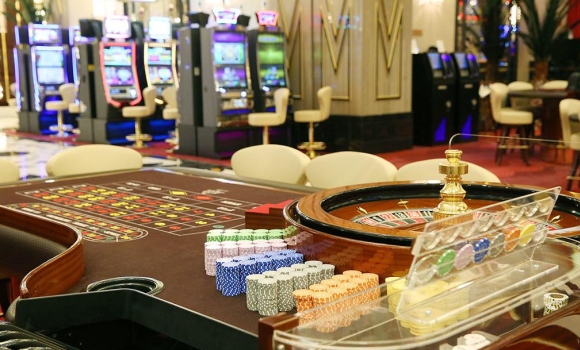
Moreover, the environment within casinos is designed to heighten this emotional response. Bright lights, enticing sounds, and the glamour of winning create an immersive experience that can make players forget their losses and focus on potential gains. This sensory overload encourages gamblers to engage further, often leading them to develop strategies that can be psychologically comforting, even if they lack statistical merit.
Cognitive biases play a significant role in how gamblers formulate their strategies. One common bias is the «gambler’s fallacy,» where players believe that past outcomes can influence future results. For instance, a player may think that a slot machine that hasn’t paid out recently is «due» for a win. This misconception can lead to increased betting and more prolonged gaming sessions, as players cling to their flawed but emotionally satisfying beliefs.
Additionally, confirmation bias can lead gamblers to seek information that supports their existing beliefs about winning strategies while disregarding evidence that contradicts them. This selective perception can create a false sense of mastery over random events, making players more likely to stick with their chosen strategies despite consistent losses.
Social dynamics significantly shape how people engage with gaming strategies in casinos. The presence of peers can amplify excitement and lead to collective behaviors that impact decision-making. For example, players often mimic the actions of others, believing that a nearby winner’s strategy might yield similar results. This phenomenon, known as social proof, can lead to an exaggerated sense of confidence in certain gaming strategies.
Furthermore, the communal aspect of gambling can create a sense of belonging among players. Group strategies, such as playing at the same table or pooling resources, can enhance the overall experience and foster a collective identity. However, this camaraderie can also encourage riskier behavior, as individuals may feel emboldened by the presence of others, leading to spending beyond their means and poor decision-making.
Emotions are central to decision-making in casino environments. When players experience positive emotions, such as exhilaration from winning, they are likely to take more risks and continue gambling. Conversely, negative emotions can lead to chasing losses, where players increase their bets in an attempt to recover previous losses. This emotional rollercoaster can cloud judgment and lead to irrational decisions.
Moreover, the design of the games themselves often capitalizes on emotional responses. The use of near-miss situations—where players come close to winning without actually doing so—can evoke feelings of hope and frustration, encouraging continued play. These design elements exploit the psychological factors at play, making it imperative for players to be aware of how their emotions can influence their gaming strategies.
While the primary focus of this article has been on the psychology of casino gaming strategies, it’s also important to recognize how creative platforms like Stitcher Studios provide avenues for exploring the emotional and psychological experiences of gaming. Artists and creators can express the complex feelings associated with gambling—be it excitement, despair, or camaraderie—through various forms of artistic expression.
Stitcher Studios serves as a hub for individuals looking to convey their creative interpretations of such experiences. By fostering collaboration and providing resources for creators, it enhances the understanding of human emotions tied to gaming, offering a creative outlet that complements the psychology of gaming strategies. This integration of art and psychology can lead to a richer understanding of the gambling experience as a whole.