
Uncovering the truth behind common casino myths What everyone gets wrong
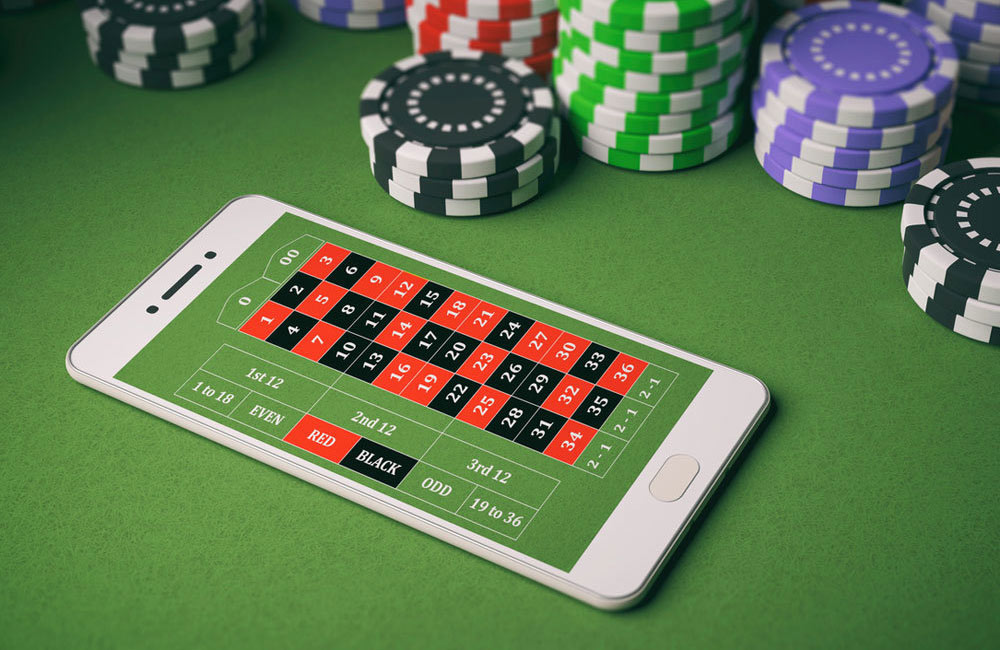
One of the most persistent myths in the casino world is the gambler’s fallacy, the belief that past events can influence future outcomes in random games. For example, if a roulette wheel lands on red several times in a row, many players erroneously believe that black is now «due» to appear. This misconception can lead to poor betting strategies and unnecessary losses, making understanding the financial management for gamblers essential. If you’re looking for enjoyable pastimes, the best casinos not on gamstop can be a good option.

Understanding the random nature of casino games is crucial. Every spin of the roulette wheel or roll of the dice is independent of previous results. Therefore, players need to recognize that each outcome is equally probable, and betting based on past results can significantly diminish their chances of winning.
Many players assume that certain strategies can overcome the house edge, which is the casino’s built-in advantage over time. While strategies such as card counting in blackjack can provide an edge, they are often misunderstood and misapplied. Most games have a mathematical expectation, meaning that in the long run, the house always wins.
Players should focus on understanding the house edge for each game and realize that no strategy will guarantee success. Instead, informed choices can help minimize losses and enhance the gaming experience while respecting the reality of the odds involved.
Another common myth is that players can influence their luck through rituals, superstitions, or specific behaviors. Whether it’s wearing lucky socks or performing a certain dance before placing a bet, many believe that they can sway the outcome in their favor. In reality, luck in casino games is entirely random.
While engaging in such rituals can be entertaining and add to the thrill of gambling, they have no bearing on the actual results of games. Players must understand that luck is just that—luck—and the outcomes cannot be controlled through personal actions.
Casino-goers often underestimate the significance of payout percentages, which indicate how much money a game returns to players over time. Many believe that higher payout percentages equate to better odds for winning, but they often overlook that these percentages are calculated over thousands of games, not individual sessions.
To make informed decisions, players should familiarize themselves with the payout percentages of various games. Recognizing that these figures reflect long-term expectations rather than guarantees for every gaming session can help in managing expectations and budgeting effectively.
For those navigating the complex world of gambling, understanding the myths and realities is just the beginning. It’s essential to have access to responsible gambling resources that can aid in making informed decisions. Websites dedicated to financial management for gamblers often provide valuable insights into budgeting, betting strategies, and maintaining a healthy relationship with gambling.
By empowering themselves with the truth behind common casino myths, players can enjoy their experiences while mitigating risks. Engaging with reputable resources fosters a safer environment, encouraging responsible gambling and financial awareness, ensuring that the thrill of the game remains enjoyable and sustainable.